Service
Service
Understanding the probability of trisomy’s which are genetic disorders that are caused by having an additional copy of a chromosome. The result of a NIFT test would diagnose trisomy 21, 18 and 13 as well as sex chromosome conditions. NIFT can be done as early as 10 weeks of pregnancy though it can be carried out at any stage of pregnancy. It can be carried out before the NHS nuchal translucency test which is typically carried out at 12 weeks.
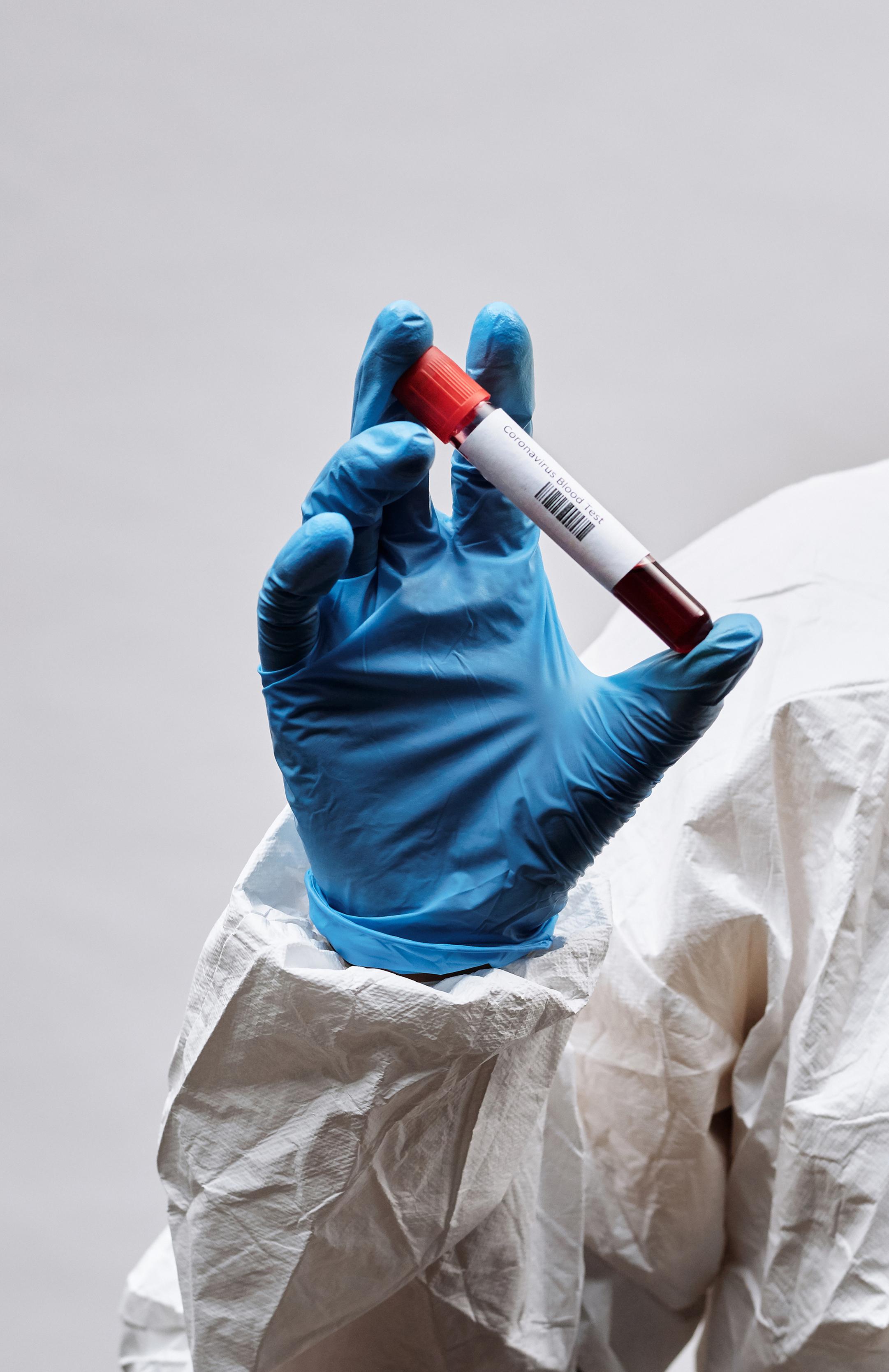
The NIFT test is highly accurate when using the mother’s blood. This being said it is important to know that even if the NIFT comes back with a high probability, it does not mean that your baby 100% has chromosome disorder. Further testing will be required to confirm the outcome.
When we do a NIFT test and an ultrasound scan, we would offer dating risk report and blood screening too into 2D, black and white images of your little baby mounted on a frame and a free 4D live image preview of your baby if you are from 12 to 22 weeks.
Scan will also be performed to measure the baby confirm the fetal age and confirm whether it is a single or multiple pregnancy. This will be carried out by a professional and friendly team of sonographers.
DNA (deoxyribonucleic acid) is the molecule that is the basis of defining our genetic makeup.
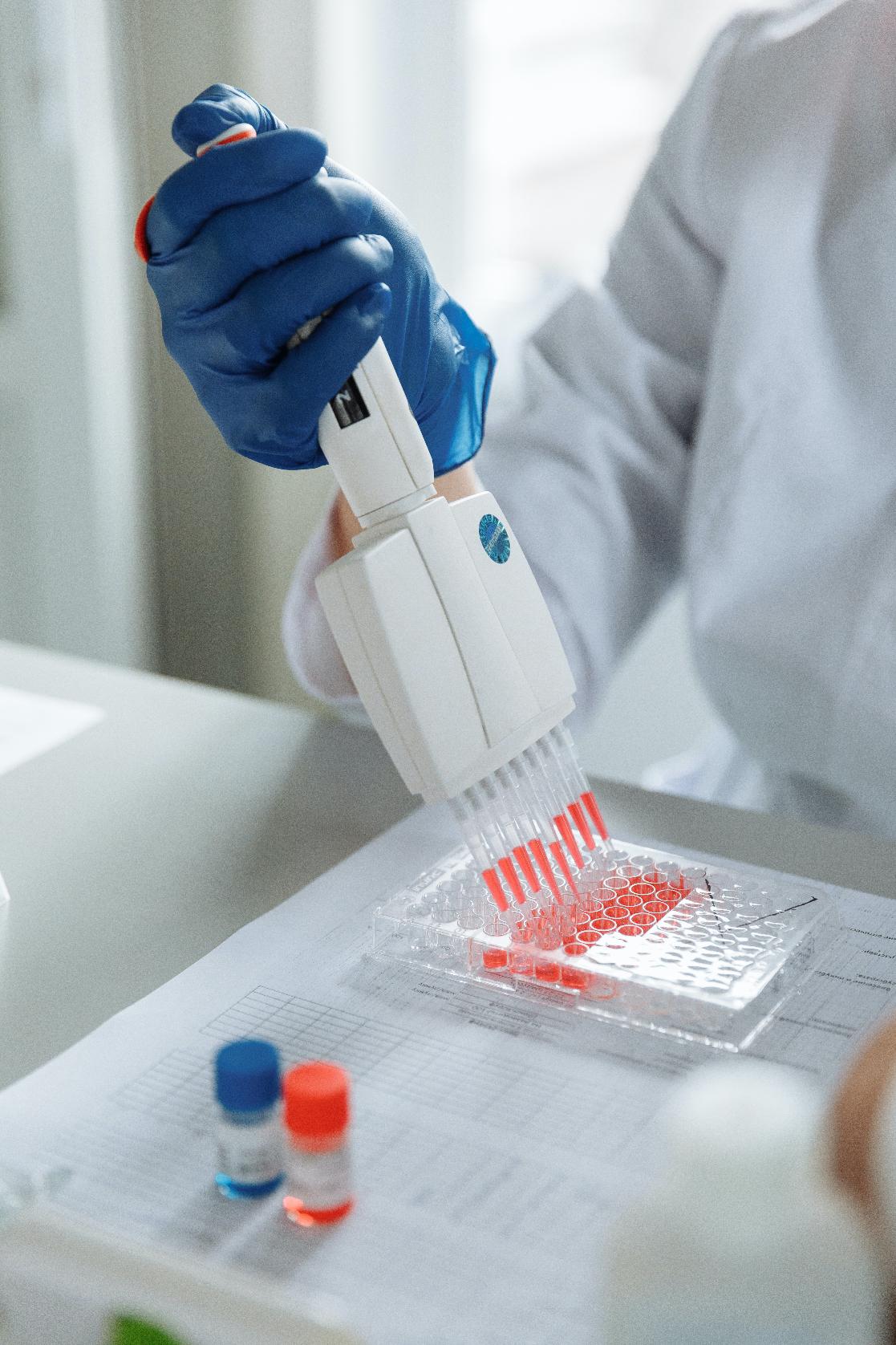
A reflex DNA test involves taking 2 blood samples in the 11th, 12th and 13th week of pregnancy. One sample is used straight away to carry out a combined test while the other sample is retained and only used for DNA tests if this is indicated by the result of the combined test.
A.
Performing an ultrasound test examination to precisely determine the gestation age of the pregnancy and to measure the nuchal translucency (NT), a space at the back of the baby’s neck.
B.
Taking a sample of the blood to measure the concentration of pregnancy-associated plasma protein-A (PAPP-A) and free beta human chorionic gonadotrophin (Free B-hCG).
C.
In pregnancy with Down’s syndrome, the PAPP-A level tends to be lower than expected and NT measurement and the free B-hCG level tend to be higher than expected.
D.
In pregnancies with Edwards or Pataus syndrome, the NT measurement tends to be higher than expected while the PAPP-A and free B-hCG levels tend to be lower than expected.
This is similar to the NIFT test analysing cell-free DNA in your blood which contains a small amount of your baby’s DNA, as well as your DNA. In pregnancies with Downs, Edwards or Pataus syndrome there will be a little bit more DNA from chromosomes 21, 18 or 13 respectively. The test depends on measuring this extra amount, expected while the PAPP-A and free BhCG levels tend to be lower than expected.
One blood sample is used to determine your risk or chance of having a baby affected with Downs, Edwards or Patau syndrome using combined tests. If this is greater than or equal to 1 in 300, the additional sample taken for DNA analysis is automatically tested without reporting your result and avoiding the need to recall you for your DNA test. This automatic testing strategy is called Reflex testing. About 1 in 20 women will have their DNA sample tested in this way.
No, in about 1% of cases, the result fails. Usually, because there is not enough DNA from the baby present in the blood. If your DNA test fails, you will be asked to attend the clinic around 14 or 15 weeks of pregnancy and have two or more samples taken for a repeat DNA test and an Integrated test which will report should the DNA test fails again. The integrated test involves measuring the concentration of three screening markers and using this information together with the combined test results. If this happens a specialist will discuss the arrangements and the test for you.
Other tests for placenta and markers for Pre-eclampsia and Intrauterine Growth Retardation (IUGR) will be announced and will be available shortly.